
Moroccan Kilim Rugs
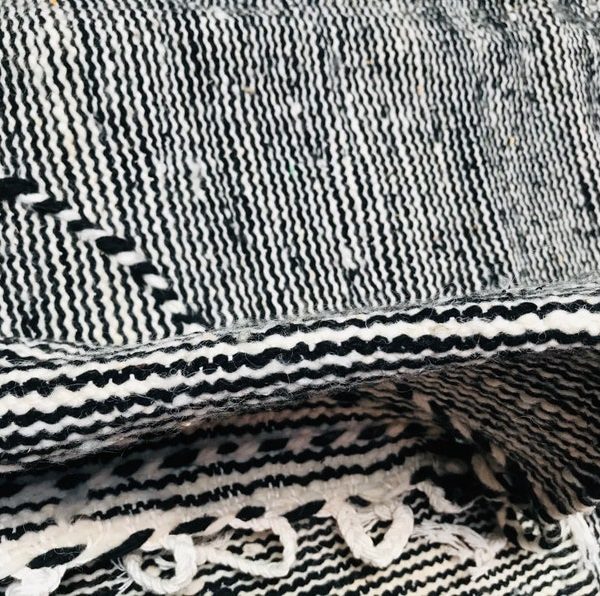
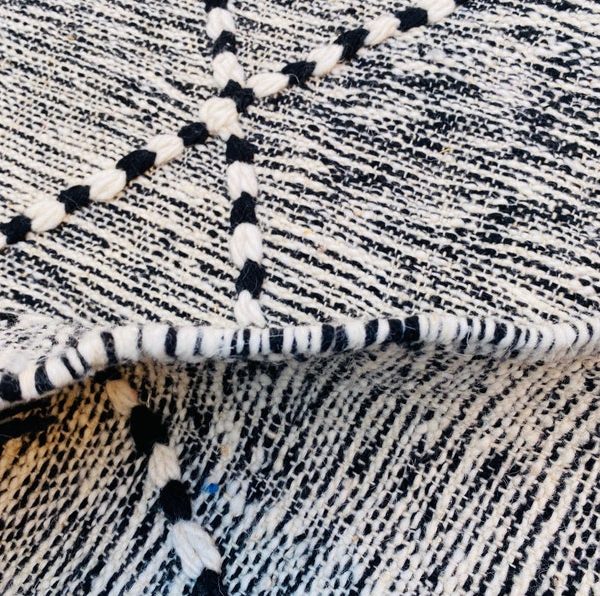
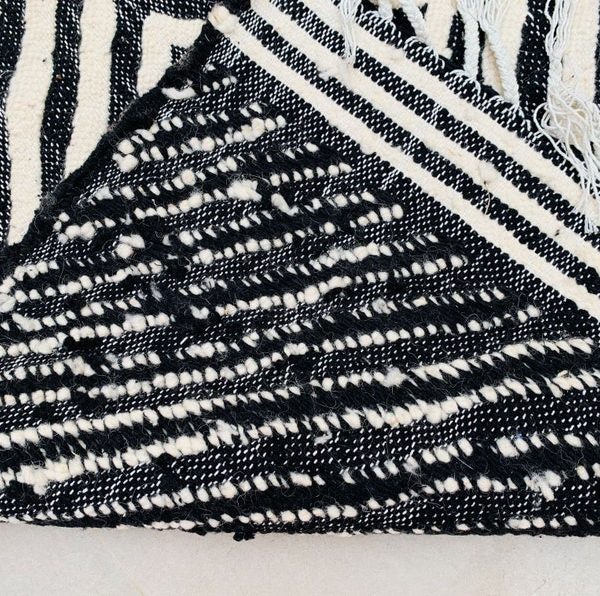
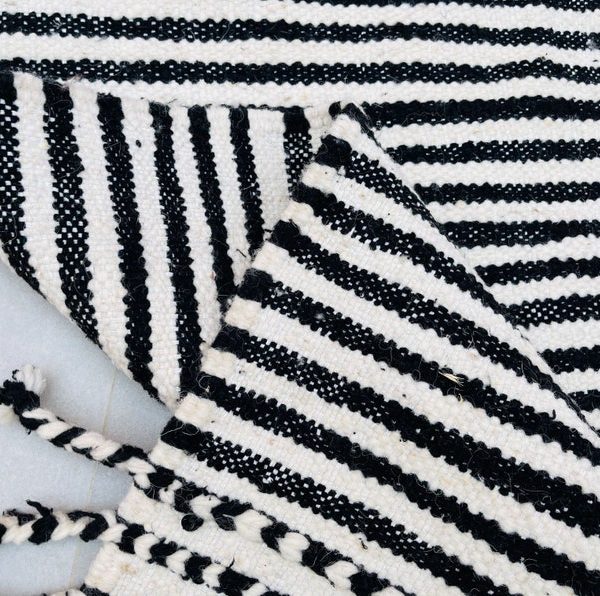
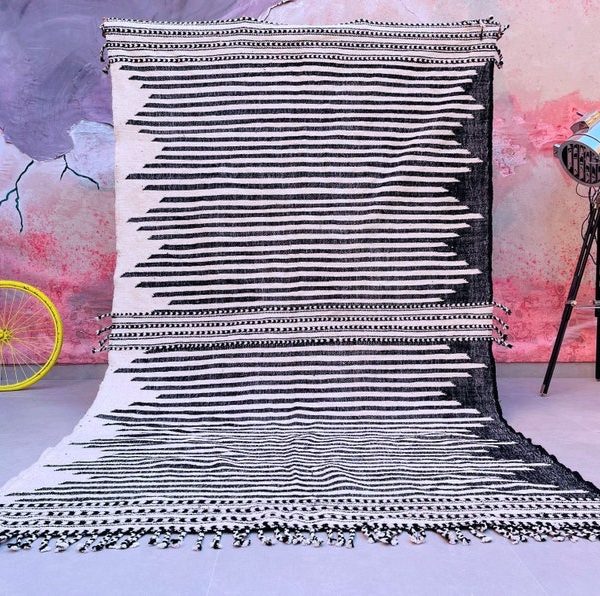
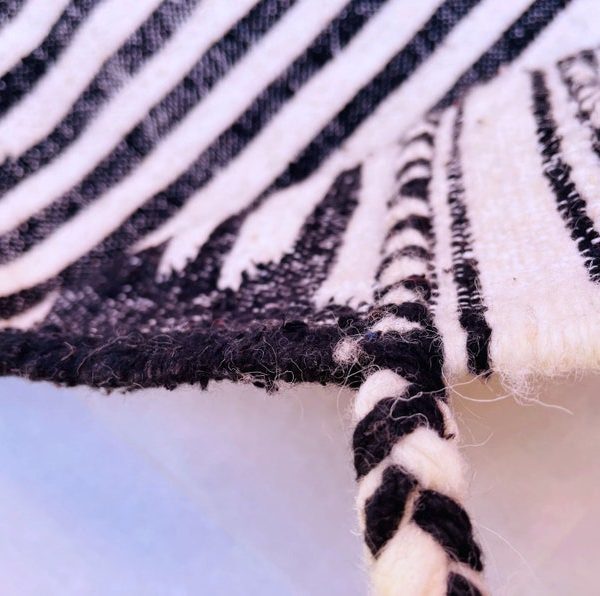
Moroccan kilim rugs are flat-woven, with no knots and no pile, so they are thinner, lighter and reversible, with crisp geometric patterns on both sides. Ours are handwoven in Morocco from natural wool — light enough for a wall hanging, sturdy enough for a hallway.
More rug styles: Beni Ourain · Azilal · Boujad · Beni Mguild · Boucherouite · All Moroccan rugs
-
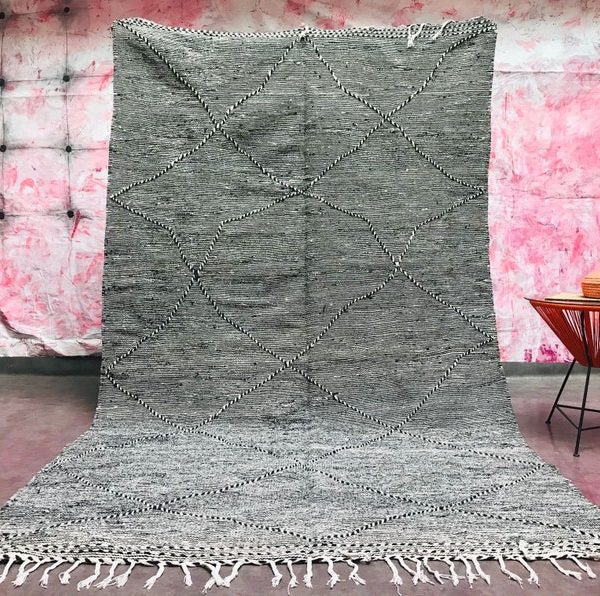
 -7% Off
Original price was: $747.$693Current price is: $693.
-7% Off
Original price was: $747.$693Current price is: $693.The Kilim In Morocco, they are assigned “Henbel” or “Handira”. For a voyager, the floor covers are, after the tent surface is woven dromedary wool, a family thing. They spread the floor, where they can be stacked in a couple of layers, in winter, they are held tight the dividers to guarantee the infection tiles, they are used as cover or stoles.
The kilim is the ancestral remains of a way of life, a culture that has the option to be engendered. The technique we endeavor through our picture is fundamentally countered on this discernment. Engender the strength customs and grant these capacities to be known and regarded.
- State: Good Condition
- Manufacturing: By hand
- Materials: Wool
- Condition: Perfect, clean, no damage, no stain at all
- Size: 186 cm x 307 cm = 6.1 ft x 10.0 ft
🌟 Free worldwide shipping
Check Other Design Her : Kilim Moroccan Rug
- State: Good Condition
-
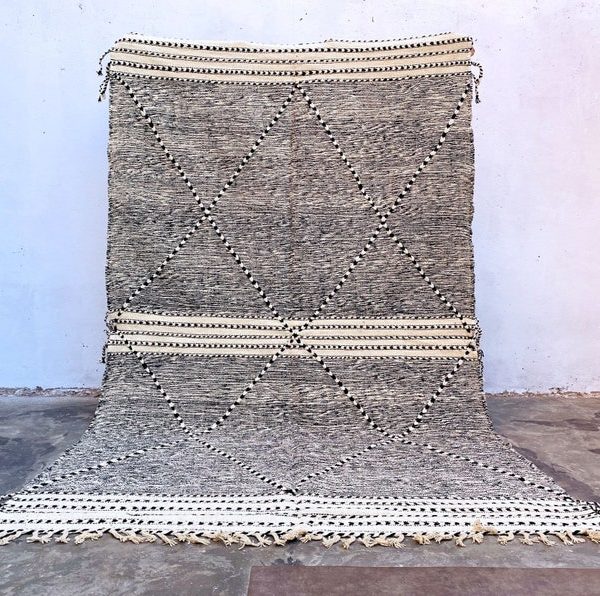 -4% Off
Original price was: $820.$787Current price is: $787.
-4% Off
Original price was: $820.$787Current price is: $787.The Kilim In Morocco, they are assigned “Henbel” or “Handira”. For a voyager, the floor covers are, after the tent surface is woven dromedary wool, a family thing. They spread the floor, where they can be stacked in a couple of layers, in winter, they are held tight the dividers to guarantee the infection tiles, they are used as cover or stoles.
The kilim is the ancestral remains of a way of life, a culture that has the option to be engendered. The technique we endeavor through our picture is fundamentally countered on this discernment. Engender the strength customs and grant these capacities to be known and regarded.
- State: Good Condition
- Manufacturing: By hand
- Materials: Wool
- Condition: Perfect, clean, no damage, no stain at all
- Size: 182 cm x 298 cm = 6 ft x 9.8 ft
🌟 Free worldwide shipping
Check Other Design Her : Kilim Moroccan Rug
- State: Good Condition
-
 -23% Off
Original price was: $992.$760Current price is: $760.
-23% Off
Original price was: $992.$760Current price is: $760.The Kilim In Morocco, they are assigned “Henbel” or “Handira”. For a voyager, the floor covers are, after the tent surface is woven dromedary wool, a family thing. They spread the floor, where they can be stacked in a couple of layers, in winter, they are held tight the dividers to guarantee the infection tiles, they are used as cover or stoles.
The kilim is the ancestral remains of a way of life, a culture that has the option to be engendered. The technique we endeavor through our picture is fundamentally countered on this discernment. Engender the strength customs and grant these capacities to be known and regarded.
- State: Good Condition
- Manufacturing: By hand
- Materials: Wool
- Condition: Perfect, clean, no damage, no stain at all
- Size: 193 cm x 296 cm = 6.3 ft x 9.7 ft
🌟 Free worldwide shipping
Check Other Design Her : Kilim Moroccan Rug
- State: Good Condition
-
 -9% Off
Original price was: $859.$784Current price is: $784.
-9% Off
Original price was: $859.$784Current price is: $784.The Kilim In Morocco, they are assigned “Henbel” or “Handira”. For a voyager, the floor covers are, after the tent surface is woven dromedary wool, a family thing. They spread the floor, where they can be stacked in a couple of layers, in winter, they are held tight the dividers to guarantee the infection tiles, they are used as cover or stoles.
The kilim is the ancestral remains of a way of life, a culture that has the option to be engendered. The technique we endeavor through our picture is fundamentally countered on this discernment. Engender the strength customs and grant these capacities to be known and regarded.
- State: Good Condition
- Manufacturing: By hand
- Materials: Wool
- Condition: Perfect, clean, no damage, no stain at all
- Size: 186 cm x 331 cm = 6.1 ft x 10.8 ft
🌟 Free worldwide shipping
Check Other Design Her : Kilim Moroccan Rug
- State: Good Condition
-
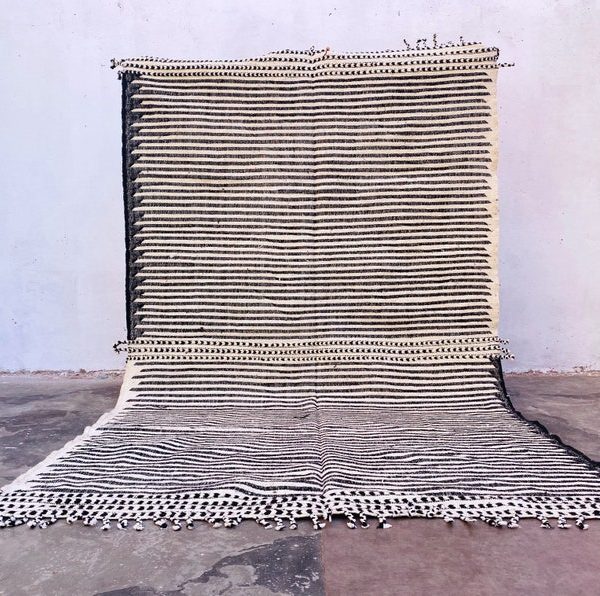 -21% Off
Original price was: $789.$623Current price is: $623.
-21% Off
Original price was: $789.$623Current price is: $623.The Kilim In Morocco, they are assigned “Henbel” or “Handira”. For a voyager, the floor covers are, after the tent surface is woven dromedary wool, a family thing. They spread the floor, where they can be stacked in a couple of layers, in winter, they are held tight the dividers to guarantee the infection tiles, they are used as cover or stoles.
The kilim is the ancestral remains of a way of life, a culture that has the option to be engendered. The technique we endeavor through our picture is fundamentally countered on this discernment. Engender the strength customs and grant these capacities to be known and regarded.
- State: Good Condition
- Manufacturing: By hand
- Materials: Wool
- Condition: Perfect, clean, no damage, no stain at all
- Size: 185 cm x 300 cm = 6.0 ft x 9.8 ft
🌟 Free worldwide shipping
Check Other Design Her : Kilim Moroccan Rug
- State: Good Condition
-
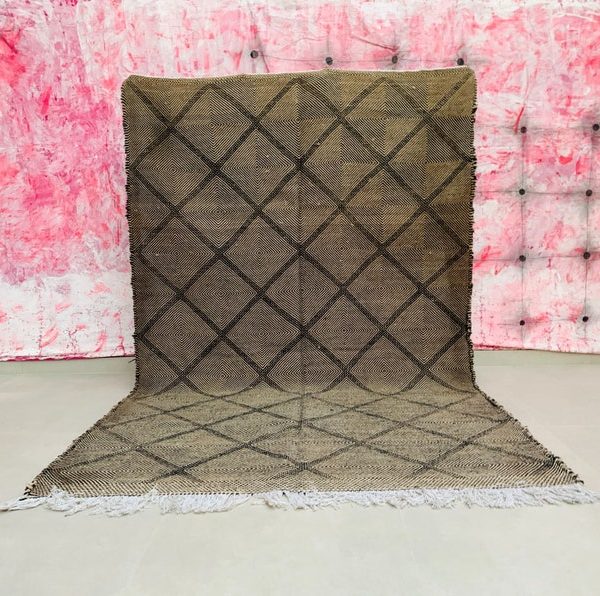 -26% Off
Original price was: $1,261.$935Current price is: $935.
-26% Off
Original price was: $1,261.$935Current price is: $935.The Kilim In Morocco, they are assigned “Henbel” or “Handira”. For a voyager, the floor covers are, after the tent surface is woven dromedary wool, a family thing. They spread the floor, where they can be stacked in a couple of layers, in winter, they are held tight the dividers to guarantee the infection tiles, they are used as cover or stoles.
The kilim is the ancestral remains of a way of life, a culture that has the option to be engendered. The technique we endeavor through our picture is fundamentally countered on this discernment. Engender the strength customs and grant these capacities to be known and regarded.
- State: Good Condition
- Manufacturing: By hand
- Materials: Wool
- Condition: Perfect, clean, no damage, no stain at all
- Size: 198 cm x 316 cm = 6.4 ft x 10.3 ft
🌟 Free worldwide shipping
Check Other Design Her : Kilim Moroccan Rug
- State: Good Condition
-
-17% Off
Original price was: $892.$743Current price is: $743.
The Kilim In Morocco, they are assigned “Henbel” or “Handira”. For a voyager, the floor covers are, after the tent surface is woven dromedary wool, a family thing. They spread the floor, where they can be stacked in a couple of layers, in winter, they are held tight the dividers to guarantee the infection tiles, they are used as cover or stoles.
The kilim is the ancestral remains of a way of life, a culture that has the option to be engendered. The technique we endeavor through our picture is fundamentally countered on this discernment. Engender the strength customs and grant these capacities to be known and regarded.
- State: Good Condition
- Manufacturing: By hand
- Materials: Wool
- Condition: Perfect, clean, no damage, no stain at all
- Size: 182 cm x 297 cm = 5.9 ft x 9.7 ft
🌟 Free worldwide shipping
Check Other Design Her : Kilim Moroccan Rug
- State: Good Condition
-
-24% Off
Original price was: $767.$580Current price is: $580.
The Kilim In Morocco, they are assigned “Henbel” or “Handira”. For a voyager, the floor covers are, after the tent surface is woven dromedary wool, a family thing. They spread the floor, where they can be stacked in a couple of layers, in winter, they are held tight the dividers to guarantee the infection tiles, they are used as cover or stoles.
The kilim is the ancestral remains of a way of life, a culture that has the option to be engendered. The technique we endeavor through our picture is fundamentally countered on this discernment. Engender the strength customs and grant these capacities to be known and regarded.
- State: Good Condition
- Manufacturing: By hand
- Materials: Wool
- Condition: Perfect, clean, no damage, no stain at all
- Size: 187 cm x 315 cm = 6.1 ft x 10.3 ft
🌟 Free worldwide shipping
Check Other Design Her : Kilim Moroccan Rug
- State: Good Condition
About Moroccan kilim rugs
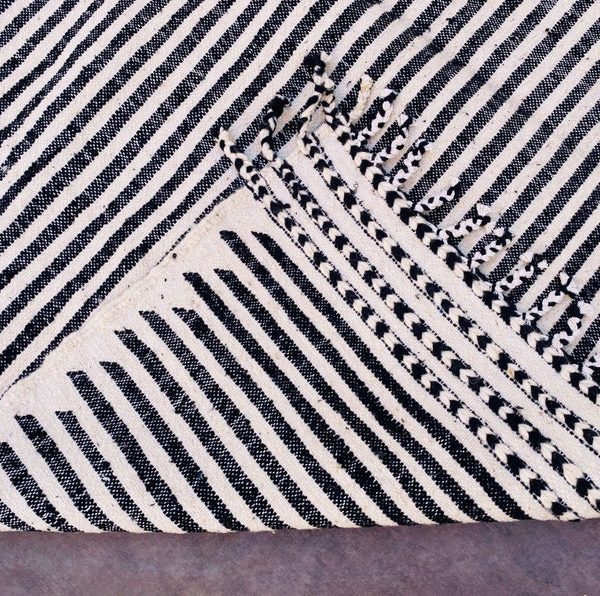
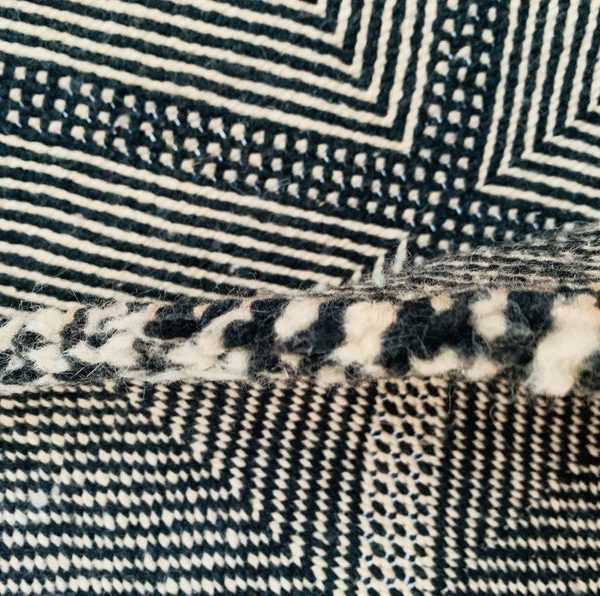
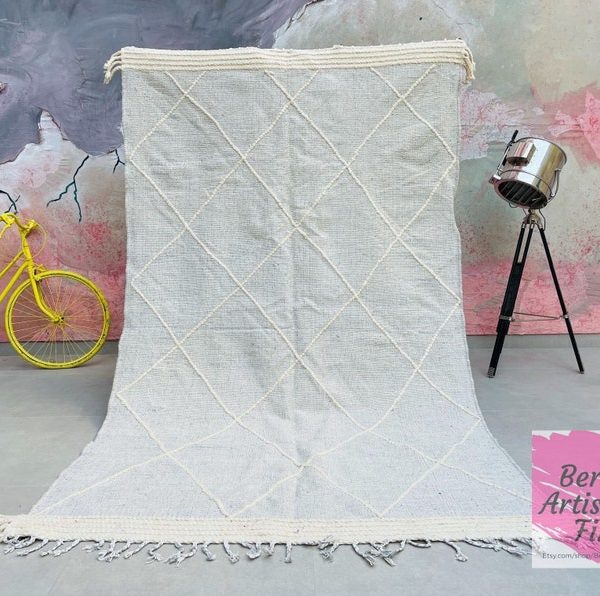
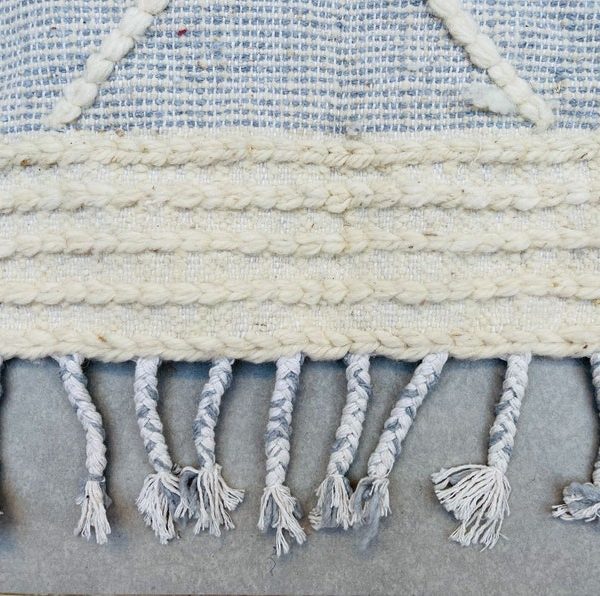
Kilim rugs are woven differently from every other rug in this collection. Where a Beni Ourain, Azilal, Boujad, or Beni Mguild rug is hand-knotted with a thick pile, a kilim is flat-woven — the weft threads are woven directly through the warp with no knots and no pile, which makes for a thinner, lighter, fully reversible rug with crisp geometric patterns on both sides.
That flat weave is what makes kilims so versatile. They’re light enough to use as a wall hanging or a table runner, sturdy enough for a high-traffic hallway, and easy to fold or move between rooms — something a heavy pile rug can’t really do. Ours are handwoven in Morocco using natural wool and traditional dye techniques, with the bold geometric patterning that defines the style across Berber weaving traditions.
A Rug for More Than the Floor
Because a kilim is flat and lightweight, it isn’t limited to flooring — the same weaving technique and patterning shows up in pillows, bags, and wall art, which is part of why kilim motifs feel so at home across a whole room rather than confined to one corner of it.
Choosing and Caring for a Kilim Rug
Kilims are naturally reversible, so rotating yours periodically evens out wear over time in a way a pile rug can’t. They’re lighter and easier to shake out or vacuum than a thick pile carpet, and their flat weave means spills are less likely to soak deep into the fibers — blot promptly and they clean up easily. A kilim’s lighter weight also makes it a practical choice for layering over a larger area rug or a hard floor where a heavy pile rug would feel like too much.
Explore Beni Ourain Rug, Boucherouite Moroccan Rugs, Moroccan Poufs, and Moroccan Lamps.
Frequently asked questions
What is a kilim rug?
A flat-woven rug: the weft threads are woven directly through the warp with no knots and no pile, which makes it thin, light and reversible.
Where can I use a kilim?
On the floor — including busy hallways — or as a wall hanging or table runner. Kilims are easy to fold and move between rooms.
How do I care for it?
Shake it out or vacuum it lightly, and spot-clean spills straight away. For thick-pile wool rugs, leave a full wet clean to a professional.
How long does shipping take?
Shipping is free. Orders ship from Morocco by standard shipping and are processed in about 4 days on average; delivery takes 10–15 working days to most of the USA and Europe, and 12–21 days elsewhere. Import taxes or duties may apply in some countries. See our shipping policy.
Can I return a rug?
Yes. Email us within 5 days of receiving your order, then return the rug undamaged within 14 days for a full refund; return shipping is paid by the buyer. If anything arrives damaged, contact us within 14 days. See our return policy.