
Moroccan Lamps
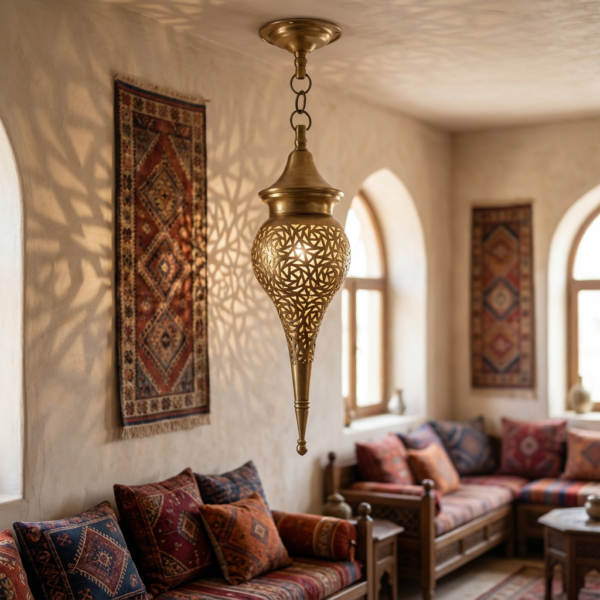
Handmade Moroccan lamps and lights in brass, copper, metal and glass: pendant lamps and hanging lanterns, ceiling lights and chandeliers, table lamps, floor lamps and wall lamps. Each one is made by hand by artisans in Morocco, with intricate patterns that throw light outwards and upwards across the room.
Shop by type: Moroccan pendant lamps · Moroccan table lamps
-
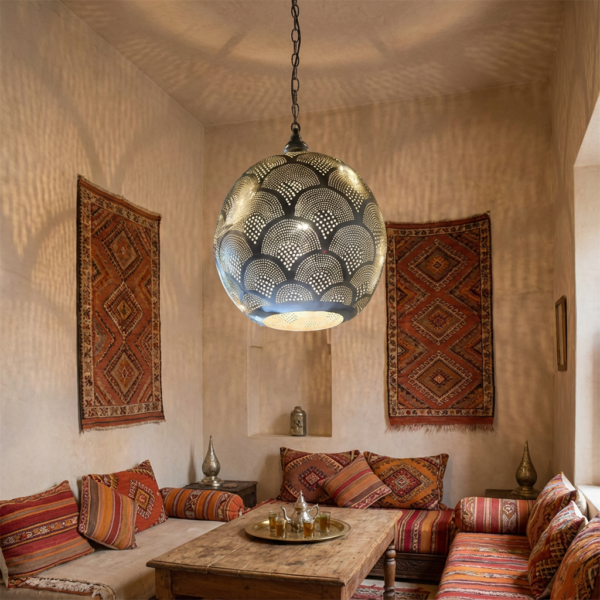
 - 26 % Off Select options This product has multiple variants. The options may be chosen on the product page Quick ViewPrice range: $214 through $505
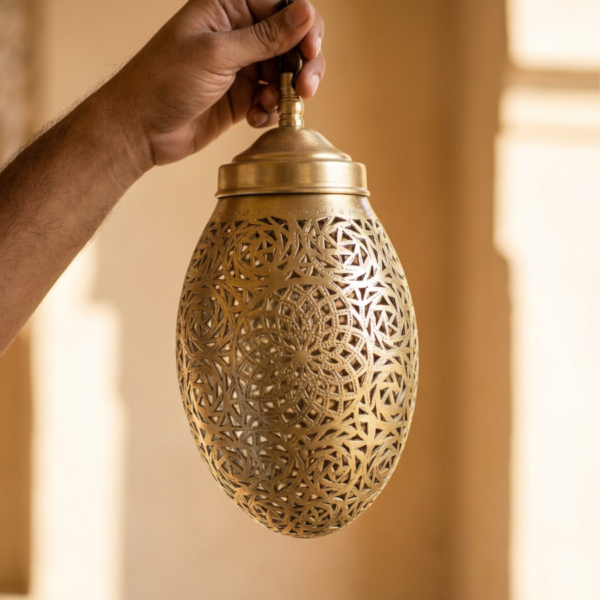
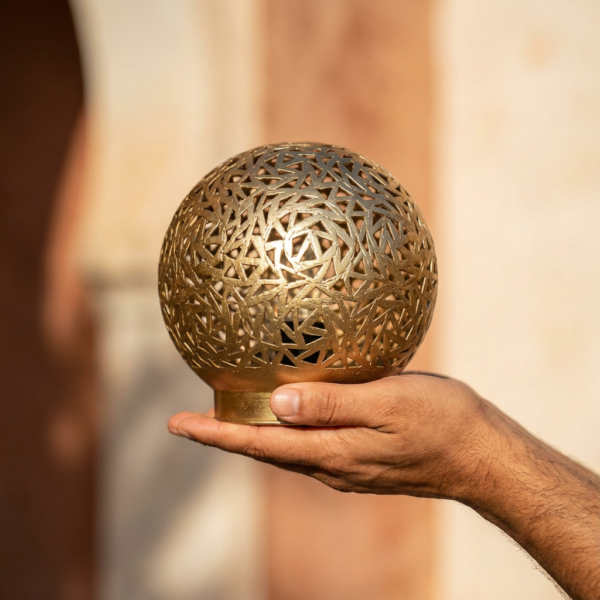
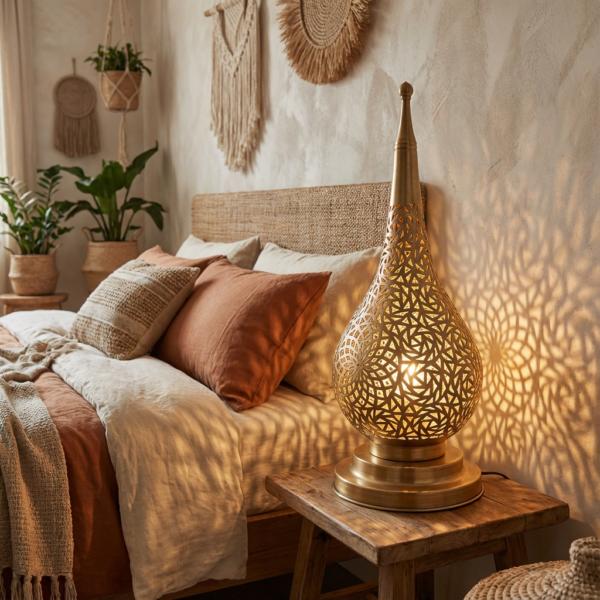
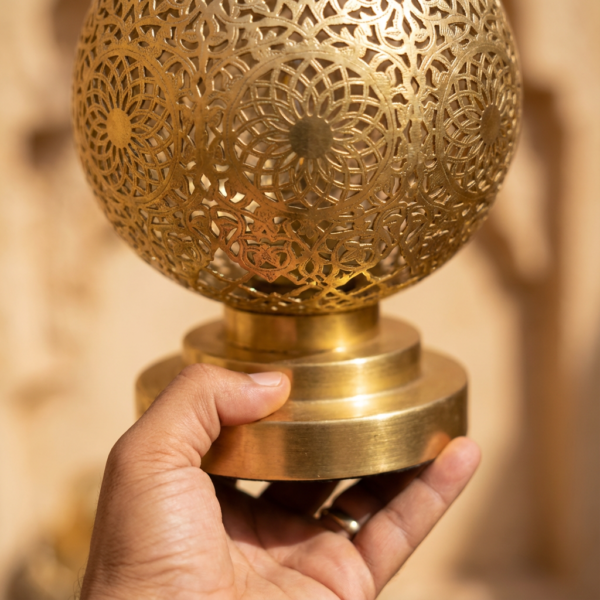
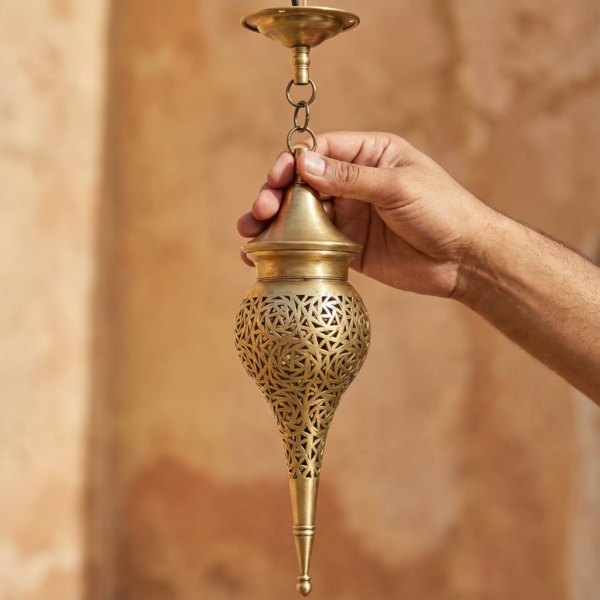
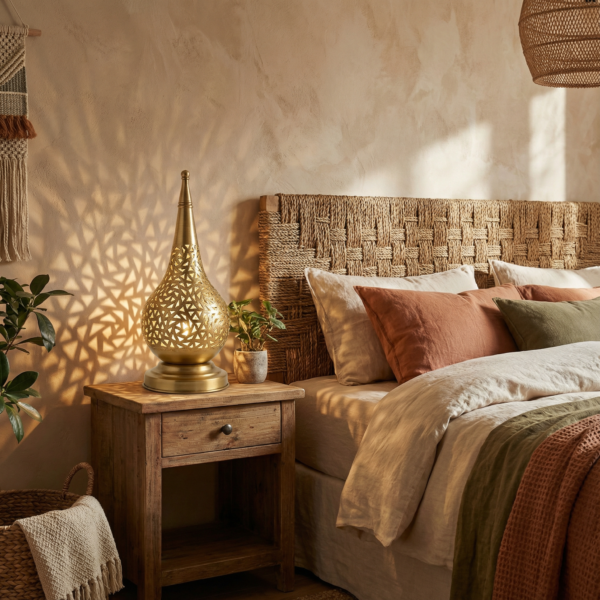
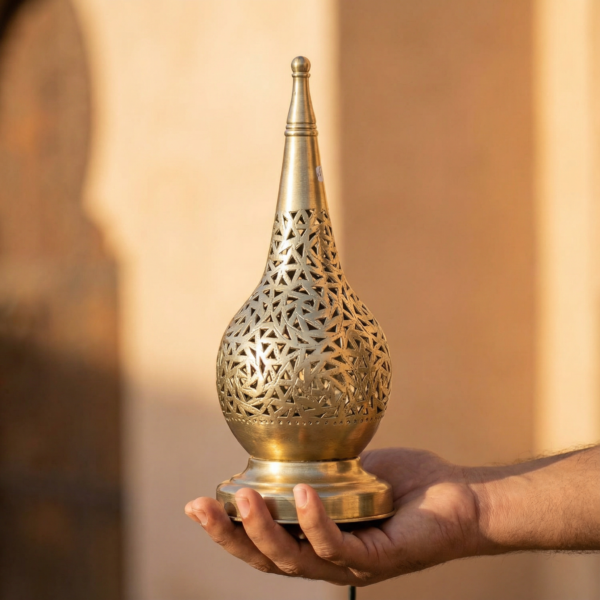
With its intricate design, done by a local artisan in Marrakech, this brass lamp can throw interesting patterns against a wall or simply add an antique, elegant touch to a hallway, entryway or bedroom.
We can make it at any Shapes, size Contact us about What you want us to create for you ,This is all free service !! No extra fees !Or Check Our Design In Moroccan lamps And Moroccan pendant lamps
FREE SHIPPING
Handmade item
Select options This product has multiple variants. The options may be chosen on the product page -
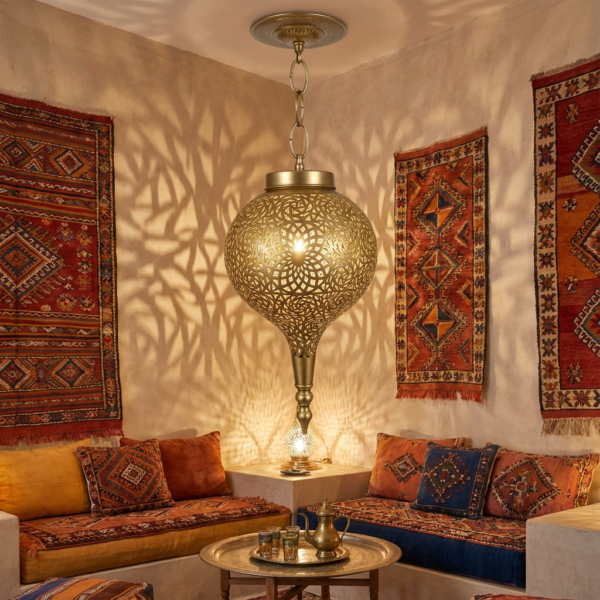 - 18 % Off Select options This product has multiple variants. The options may be chosen on the product page Quick ViewPrice range: $280 through $599
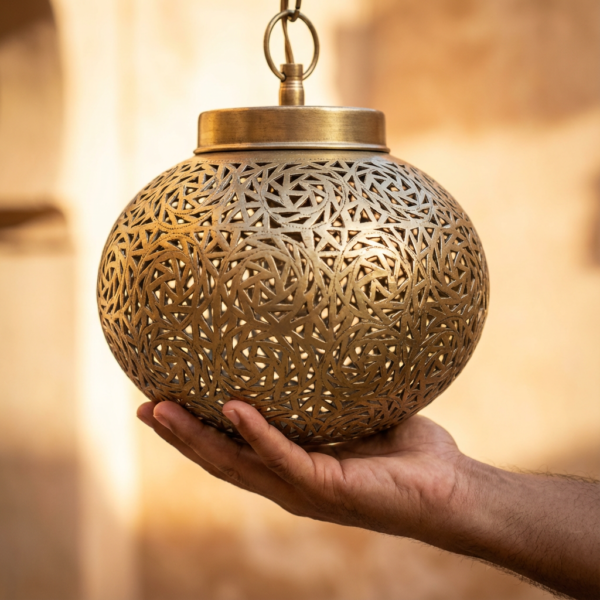
Transform your space with enchanting light! Our hand-punctured Moroccan Pendant lamps create unique shadow patterns, ensuring each piece is a one-of-a-kind masterpiece. Illuminate and experience the magic!
A variety of contemporary designs will help you choose the perfect pendant for any space in your home.
We can make it at any Shapes, size Contact us about What you want us to create for you ,This is all free service !! No extra fees !Or Check Our Design In Moroccan lamps And Moroccan Pendant Lamps
Select options This product has multiple variants. The options may be chosen on the product page -
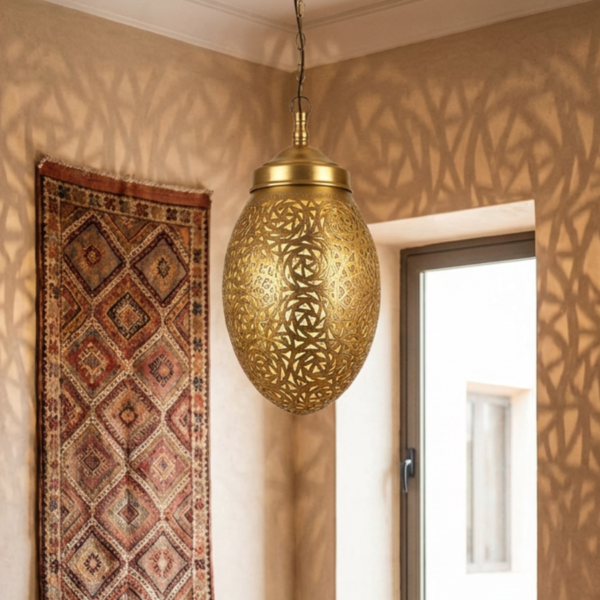 - 17 % Off Select options This product has multiple variants. The options may be chosen on the product page Quick ViewPrice range: $299 through $499
Magic happens when you turn on the light.Enjoy the stunning atmosphere with amazing shadow patterns on your ceiling and walls!
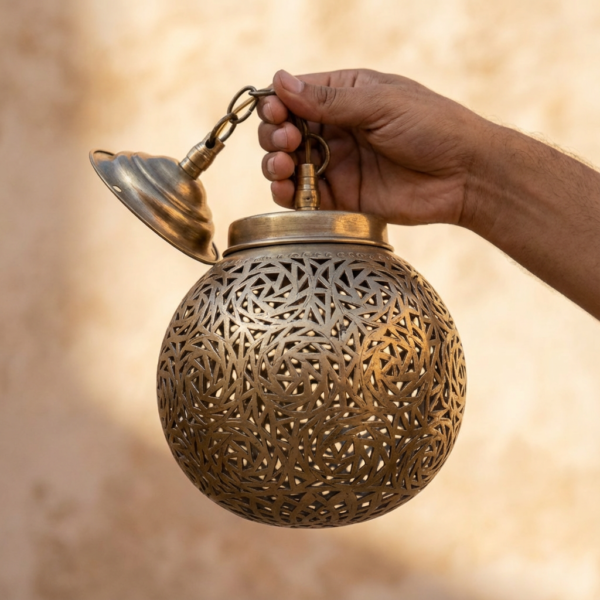
The patterns you see in Our Moroccan Pendant Lamps Lights are punctured by hand, without the use of any stencils. Therefor each lamp is unique.
A variety of contemporary designs will help you choose the perfect pendant for any space in your home.
We can make it at any Shapes, size Contact us about What you want us to create for you ,This is all free service !! No extra fees !Or Check Our Design In Moroccan lamps And Moroccan Pendant Lamps
FREE SHIPPING
Select options This product has multiple variants. The options may be chosen on the product page -
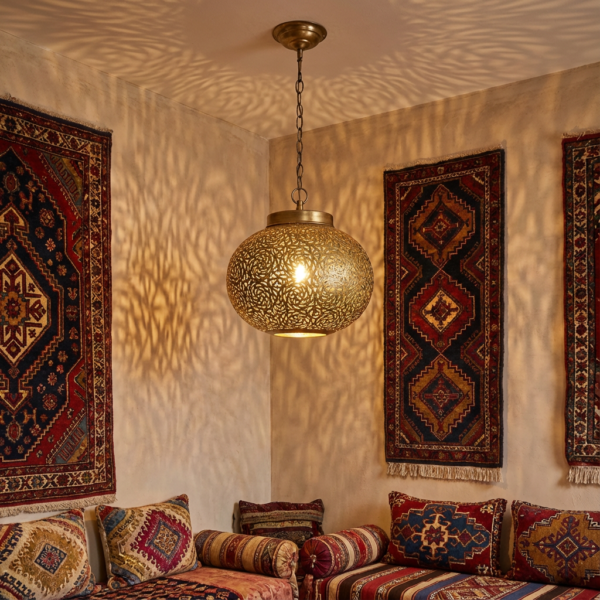 - 27 % Off Select options This product has multiple variants. The options may be chosen on the product page Quick ViewPrice range: $156 through $589
Elevate your space with our exquisite Copper Moroccan Pendant Light, a beautiful blend of high quality and craftsmanship. This unique artwork not only illuminates but also adds a touch of sophistication, creating a comfortable ambiance. Whether above your dining table, in the kitchen, or the living room, let your imagination guide you to showcase this stunning piece in the heart of your home.
We can make it at any Shapes, size Contact us about What you want us to create for you ,This is all free service !! No extra fees !Or Check Our Design In Moroccan lamps And Moroccan Pendant Lamps
Select options This product has multiple variants. The options may be chosen on the product page -
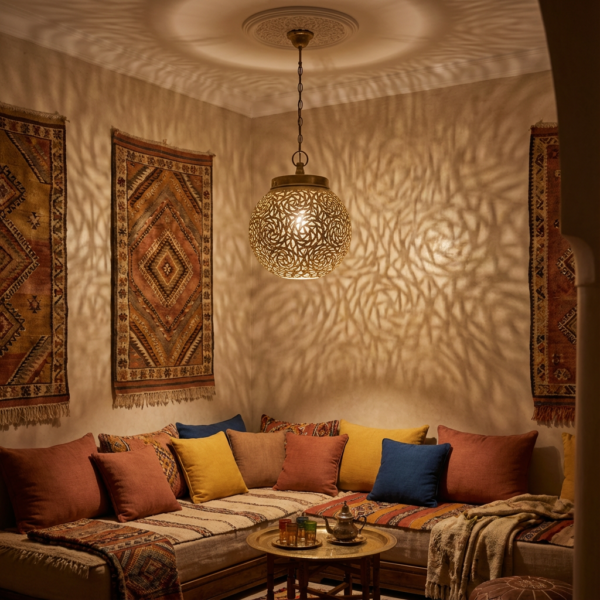 - 26 % Off Select options This product has multiple variants. The options may be chosen on the product page Quick ViewPrice range: $214 through $505
With its intricate design, done by a local artisan in Marrakech, this brass lamp can throw interesting patterns against a wall or simply add an antique, elegant touch to a hallway, entryway or bedroom.
We can make it at any Shapes, size Contact us about What you want us to create for you ,This is all free service !! No extra fees !Or Check Our Design In Moroccan lamps And Moroccan Pendant Lamps
FREE SHIPPING
Select options This product has multiple variants. The options may be chosen on the product page -
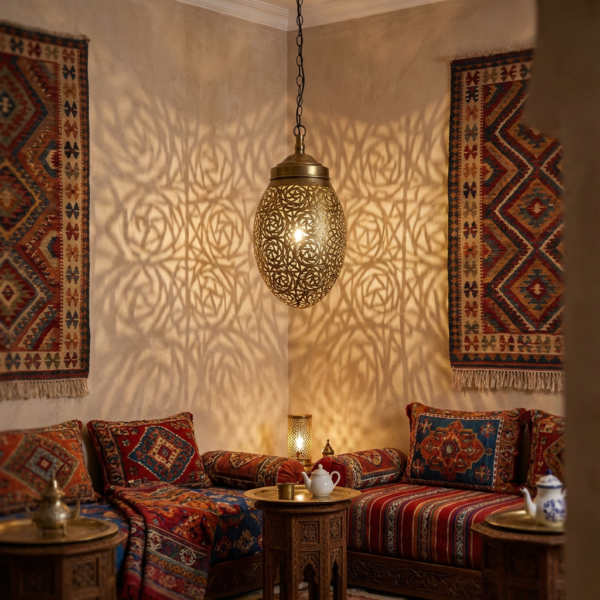 - 35 % Off Select options This product has multiple variants. The options may be chosen on the product page Quick ViewPrice range: $156 through $890
Elevate your space with our exquisite handmade pendant light. Crafted for a touch of luxury, this high-quality piece adds a unique and sophisticated flair to any room. The warm glow emanating from the brass creates a comfortable atmosphere, making it perfect for your dining table, kitchen, or living room. Let your creativity shine as you find the ideal spot to showcase this timeless masterpiece.
We can make it at any Shapes, size Contact us about What you want us to create for you ,This is all free service !! No extra fees !Or Check Our Design In Moroccan lamps And Moroccan Pendant Lamps
Select options This product has multiple variants. The options may be chosen on the product page -
- 22 % Off Select options This product has multiple variants. The options may be chosen on the product page Quick ViewPrice range: $225 through $299
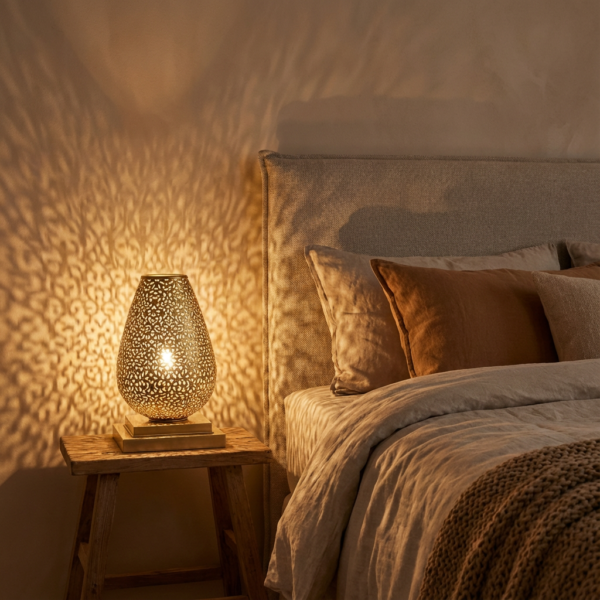
Drawing its inspiration from nature, our solid brass Moroccan Table Lamp is shaped like a freshly unfurling flower and is adorned with a motif of chiselled stems and leaves. When illuminated, punched holes in the brass allow the light to cast shadows of the spiralling stems across the surrounding surfaces.
We can make it at any Shapes, size Contact us about What you want us to create for you ,This is all free service !! No extra fees !Or Check Our Design In Moroccan lamps And Moroccan table lamps
FREE SHIPPING
Select options This product has multiple variants. The options may be chosen on the product page -
- 23 % Off Select options This product has multiple variants. The options may be chosen on the product page Quick ViewPrice range: $240 through $299
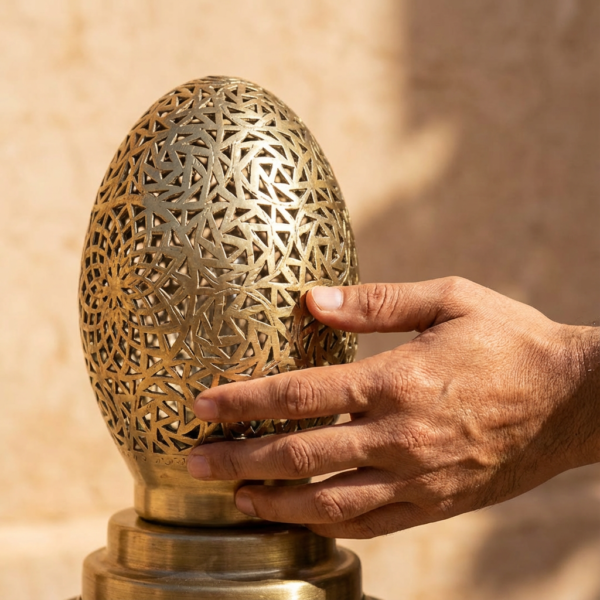
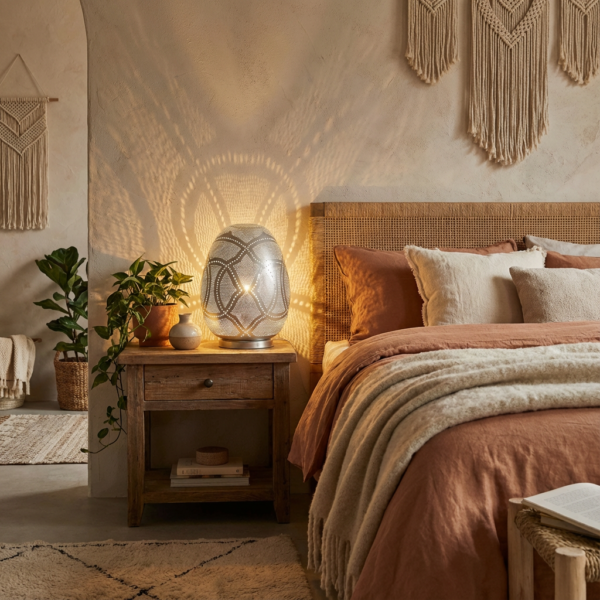
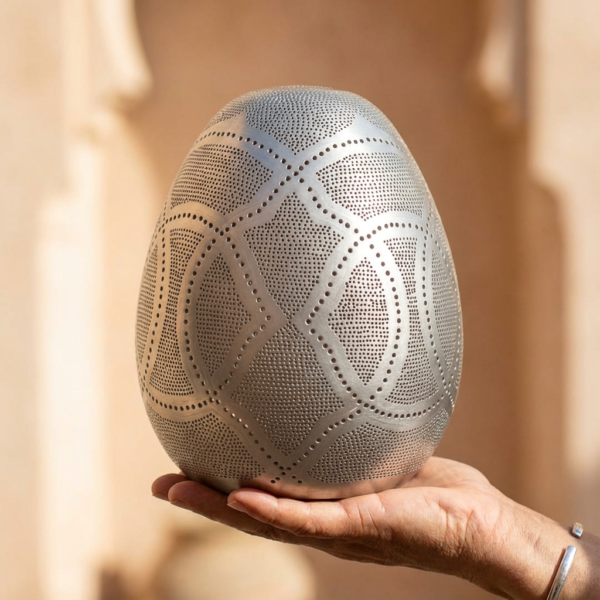
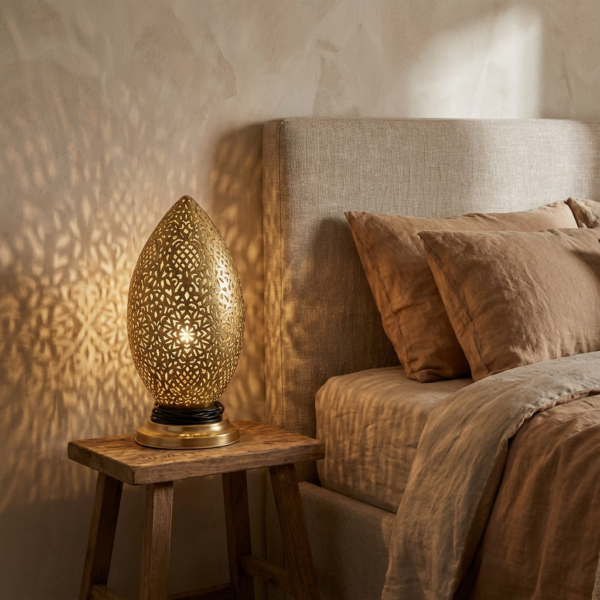
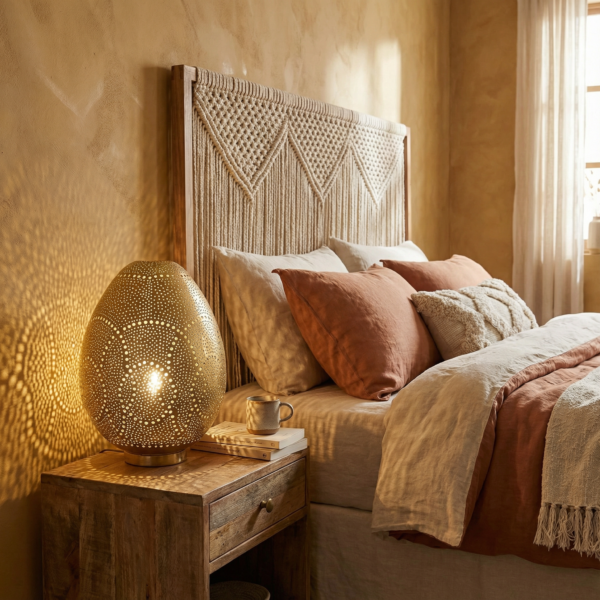
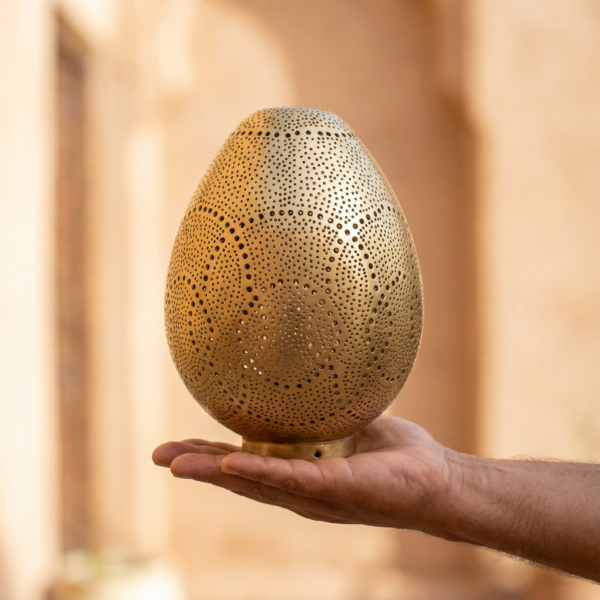
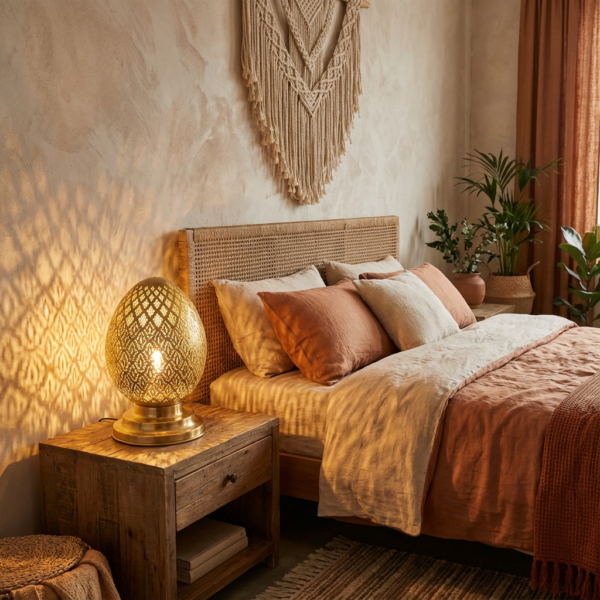
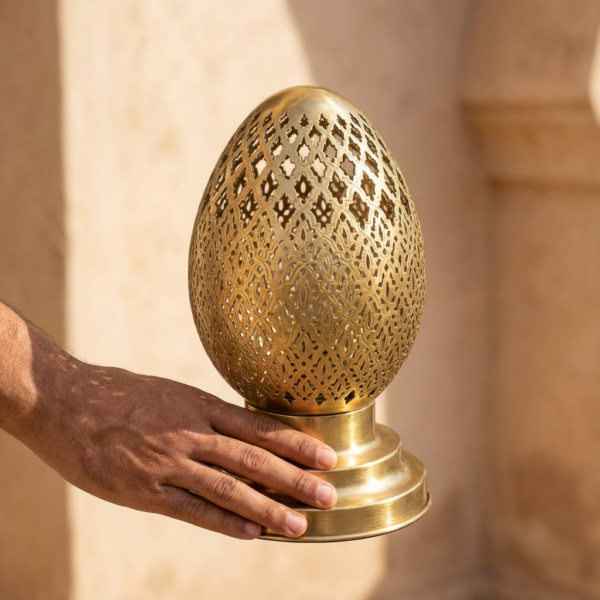
Bearing a myriad hand-punched perforations, our Moroccan floor Table lamp gives rise to a panoramic galaxy of shooting stars. Its pleasing egg-like structure stands in marked contrast to its angular solid-brass base, giving the piece an attractive sculptural quality whether lit or unlit.
We can make it at any Shapes, size Contact us about What you want us to create for you ,This is all free service !! No extra fees !Or Check Our Design In Moroccan lamps And Moroccan table lampsSelect options This product has multiple variants. The options may be chosen on the product page -
- 20 % Off Select options This product has multiple variants. The options may be chosen on the product page Quick ViewPrice range: $160 through $670
Handmade Moroccan brass lamp that would look amazing in any corner of your home. Add a gorgeous piece of Moroccan lighting to your home decor theme
We can make it at any Shapes, size Contact us about What you want us to create for you ,This is all free service !! No extra fees !Or Check Our Design In Moroccan lamps And Moroccan table lamps
Select options This product has multiple variants. The options may be chosen on the product page -
- 19 % Off Select options This product has multiple variants. The options may be chosen on the product page Quick ViewPrice range: $199 through $320
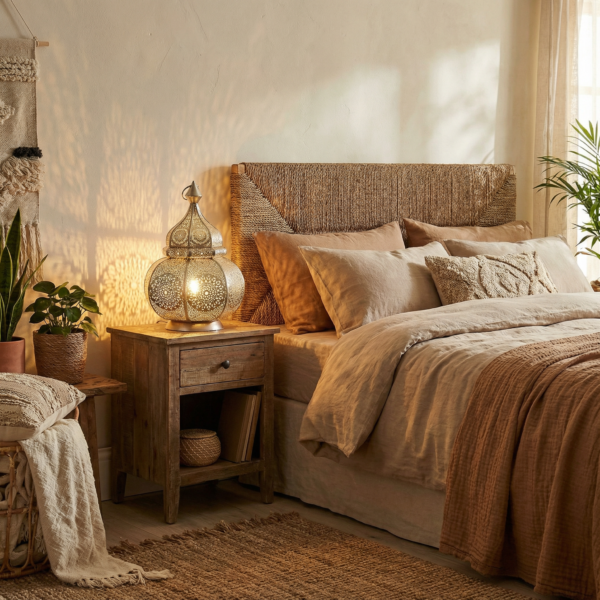
On a Moroccan handmade brass Table Lamp, in a corner on the floor, beside the bed, there is always a place for these beautiful table lamps with their amazing shadow patterns. You can easily move these lights around!
We can make it at any Shapes, size Contact us about What you want us to create for you ,This is all free service !! No extra fees !Or Check Our Design In Moroccan lamps And Moroccan table lamps
Select options This product has multiple variants. The options may be chosen on the product page -
- 13 % Off Select options This product has multiple variants. The options may be chosen on the product page Quick ViewPrice range: $199 through $299
On a Moroccan Handmade Table , in a corner on the floor, beside the bed, there is always a place for these beautiful table lamps with their amazing shadow patterns. You can easily move these lights around!
We can make it at any Shapes, size Contact us about What you want us to create for you ,This is all free service !! No extra fees !Or Check Our Design In Moroccan lamps And Moroccan table lamps
Select options This product has multiple variants. The options may be chosen on the product page -
- 15 % Off Select options This product has multiple variants. The options may be chosen on the product page Quick ViewPrice range: $279 through $499
Handmade Moroccan brass lamp that would look amazing in any corner of your home. Add a gorgeous piece of moroccan lighting to your home decor theme.
We can make it at any Shapes, size Contact us about What you want us to create for you ,This is all free service !! No extra fees !Or Check Our Design In Moroccan lamps And Moroccan table lamps
Select options This product has multiple variants. The options may be chosen on the product page -
- 16 % Off Select options This product has multiple variants. The options may be chosen on the product page Quick ViewOriginal price was: $320.$270Current price is: $270.
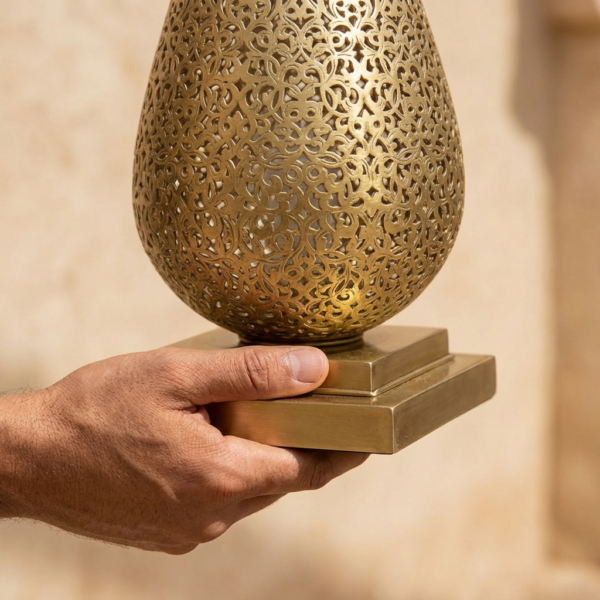
Handmade Moroccan table lamp ,Offering an artful contrast to its two-tiered square base, the main body of our Moroccan Table Lamp has a distinctive almost egg-like appearance. Expertly hand-pierced with a fine jeweller’s saw, its intricate floral motif is further accentuated by a wealth of chiselled detail, which makes it ideal for appreciation at close range
We can make it at any Shapes, size Contact us about What you want us to create for you ,This is all free service !! No extra fees !Or Check Our Design In Moroccan lamps And Moroccan table lampsSelect options This product has multiple variants. The options may be chosen on the product page -
- 24 % Off Select options This product has multiple variants. The options may be chosen on the product page Quick ViewPrice range: $170 through $329
This Floor Light serves as a captivating centerpiece, gracefully defining the space and casting a warm glow throughout its surroundings. Constructed from solid brass, the lamp features intricate metalwork that forms its body. Enclosed within is colored glass, acting as a canvas to evenly disperse the radiant light in various hues.
We can make it at any Shapes, size Contact us about What you want us to create for you ,This is all free service !! No extra fees !Or Check Our Design In Moroccan lamps And Moroccan table lamps
FREE SHIPPING
Select options This product has multiple variants. The options may be chosen on the product page -
- 26 % Off Select options This product has multiple variants. The options may be chosen on the product page Quick ViewPrice range: $120 through $299
A Moroccan handmade brass Table Lamp finds its perfect spot in a corner on the floor or beside the bed, thanks to its beautiful shadow patterns. These table lamps are easily movable, ensuring flexibility in lighting arrangements.
We can make it at any Shapes, size Contact us about What you want us to create for you ,This is all free service !! No extra fees !Or Check Our Design In Moroccan lamps And Moroccan table lamps
Handmade item
FREE SHIPPING
Select options This product has multiple variants. The options may be chosen on the product page -
- 26 % Off Select options This product has multiple variants. The options may be chosen on the product page Quick ViewPrice range: $124 through $299
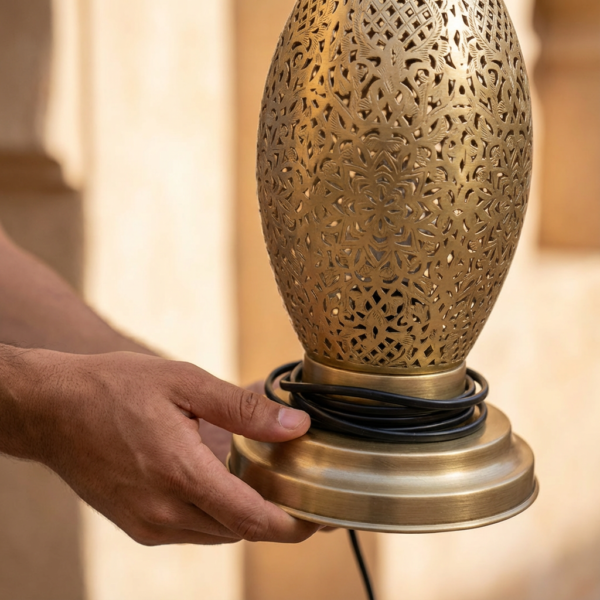
Introducing our Unique Moroccan Modern Table Lamp – sleek black exterior, radiant gold interior. Illuminate your space with a beautiful golden glow. Perfect for all rooms types, this fixture is a statement piece that combines style and elegance effortlessly.
We can make it at any Shapes, size Contact us about What you want us to create for you ,This is all free service !! No extra fees !Or Check Our Design In Moroccan lamps And Moroccan table lamps
Select options This product has multiple variants. The options may be chosen on the product page -
- 30 % Off Select options This product has multiple variants. The options may be chosen on the product page Quick ViewPrice range: $124 through $410
We crafted Light Metal Moroccan Table Lamp will bring your room the flairs of the orient. Even unlit this crafted work of art, the Moroccan table lamp brings an eye-catching attraction to the room. Being made of vintage look metal with little reflective lights shadows and fine cut of metal by expert craftsmanship, the table light will last for generations.
Be the first one to enjoy this BEAUTIFUL moroccan handmade table lamp . This beautiful floor lamp made of brass is a masterpiece of oriental craftsmanship. If you want to give your apartment a special touch, this gem is just right for you. Warm colors have a positive effect on our mood, so do something for your well-being and bring this dream from 1001 nights into your home.
We can make it at any Shapes, size Contact us about What you want us to create for you ,This is all free service !! No extra fees !Or Check Our Design In Moroccan lamps And Moroccan table lamps
Select options This product has multiple variants. The options may be chosen on the product page -
-35% Off
Original price was: $345.$224Current price is: $224.
Introducing our Brass Moroccan Table Lamp – a crafted masterpiece bringing oriental allure to your room. Unlit, it captivates with copper and expert craftsmanship, casting captivating shadows. This enduring lamp is a testament to timeless design. Be the first to enjoy this beautiful Moroccan handmade brass table lamp, adding a special touch to your space with the magic of 1001 nights.
We can make it at any Shapes, size Contact us about What you want us to create for you ,This is all free service !! No extra fees !Or Check Our Design In Moroccan lamps And Moroccan table lamps
-
- 25 % Off Select options This product has multiple variants. The options may be chosen on the product page Quick ViewPrice range: $173 through $370
An authentic Egyptian / Moroccan style ceiling lamp with a more modern look
We can make it at any Shapes, size Contact us about What you want us to create for you ,This is all free service !! No extra fees !Or Check Our Design In Moroccan lamps And Moroccan Pendant Lamps
- Materials:brass
- Size Available : 22cm/ 8.6” | 25cm/9.8” | 30cm/11.8” | 35cm/13.7” | 40cm/15.7”
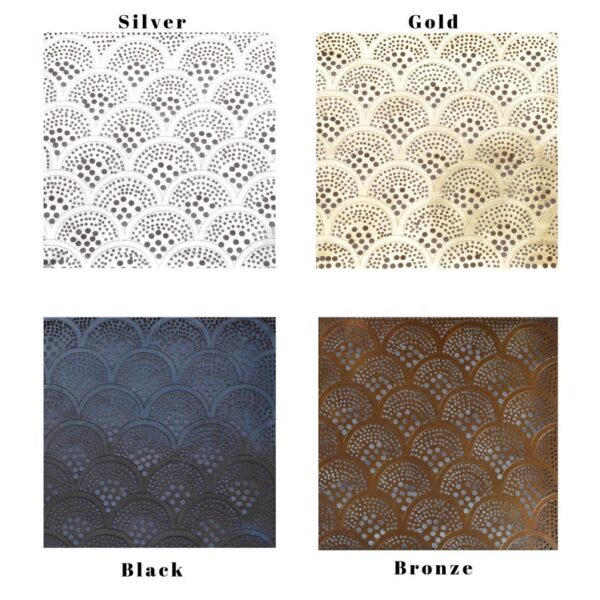
- Colour : Silver, Brass
Handmade
FREE SHIPPING
Select options This product has multiple variants. The options may be chosen on the product page -
-23% Off
Original price was: $98.$75Current price is: $75.
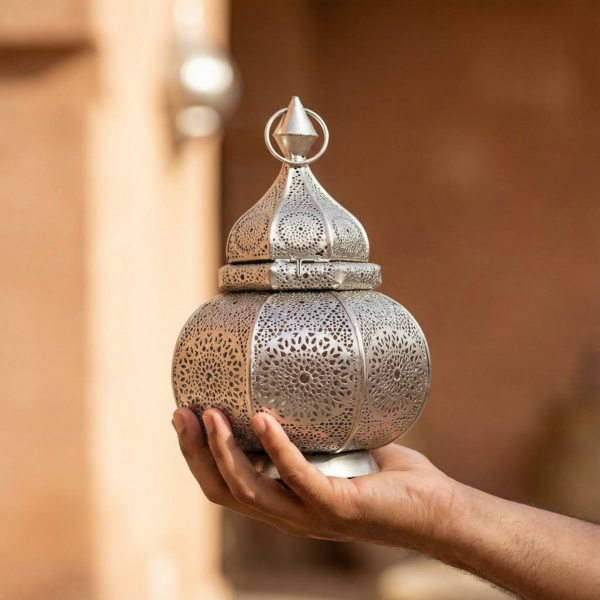
Moroccan style lanterns are a popular insider tip from many designers worldwide due to its exotic design and the fact that these lanterns can be combined with everything. Whether in the living room, bedroom or in the garden. This oriental candle lantern looks good everywhere. Different light effects give out a warm feeling at night. Oriental Moroccan design transforms the room into a room of Arabian Nights.
We can make it at any Shapes, size Contact us about What you want us to create for you ,This is all free service !! No extra fees !Or Check Our Design In Moroccan lamps And Moroccan Pendant Lamps And Moroccan Table Lamp
-
- 24 % Off Select options This product has multiple variants. The options may be chosen on the product page Quick ViewPrice range: $210 through $599
A stunning Large Moroccan Pendant Lamp designed to enhance the exotic beauty of your home decor. Exclusive custom lighting designs from Arabian Home Décor will ensure that this Moroccan piece of art complements your existing décor and completely enhances the ambiance by filling in the portion of darkness, while leaving the remaining area soothing and serene.
We can make it at any Shapes, size Contact us about What you want us to create for you ,This is all free service !! No extra fees !Or Check Our Design In Moroccan lamps And Moroccan Pendant Lamps
Select options This product has multiple variants. The options may be chosen on the product page -
- 25 % Off Select options This product has multiple variants. The options may be chosen on the product page Quick ViewPrice range: $173 through $370Handmade Moroccan brass ceiling lamp, lampshade, and decorations straight from Morocco. Ideal for enhancing the interior design of every space in your house, from the desk and living room to the entryway and bedroom.
We can make it at any Shapes, size Contact us about What you want us to create for you ,This is all free service !! No extra fees !Or Check Our Design In Moroccan lamps And Moroccan Pendant Lamps
Select options This product has multiple variants. The options may be chosen on the product page -
-30% Off
Original price was: $185.$130Current price is: $130.Presenting our Silver Moroccan Style Table Lamp – a pinnacle of craftsmanship and elegance. Meticulously handcrafted in our workshop, our skilled artisans stencil the intricate floral design onto solid brass sheets. Each piece is then precision-cut using a fine jeweler’s saw and forged together to create a seamless pattern. The light is encased with thick brass domes both atop and below the body, adding to its exquisite design.
- Size:30CM
- Colore:SILVER
- Material: BRASS
We can make it at any Shapes, size Contact us about What you want us to create for you ,This is all free service !! No extra fees !Or Check Our Design In Moroccan lamps And Moroccan table lamps
-
- 36 % Off Select options This product has multiple variants. The options may be chosen on the product page Quick ViewPrice range: $150 through $199
Introducing our Bedside Table Lamp – a pinnacle of craftsmanship and elegance. Meticulously made by hand in our workshop, each lamp is crafted from natural, real gourd grown in our garden. The intricate pattern is achieved through three days of drilling and carving, making it an exquisite piece.
We can make it at any Shapes, size Contact us about What you want us to create for you ,This is all free service !! No extra fees !Or Check Our Design In Moroccan lamps And Moroccan table lamps
Select options This product has multiple variants. The options may be chosen on the product page
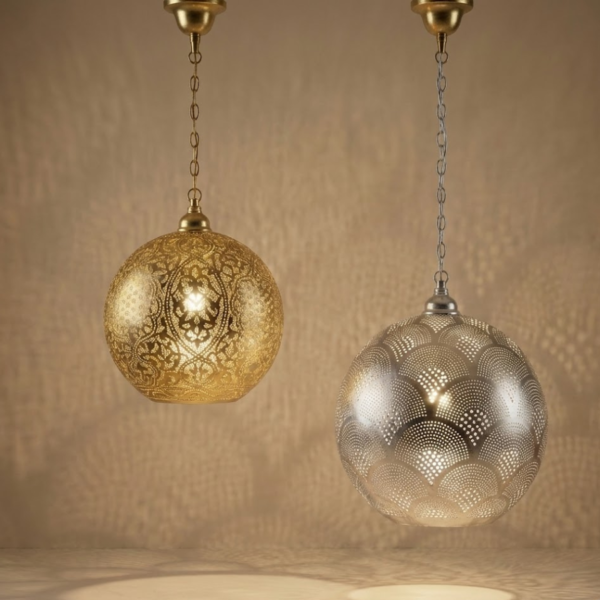
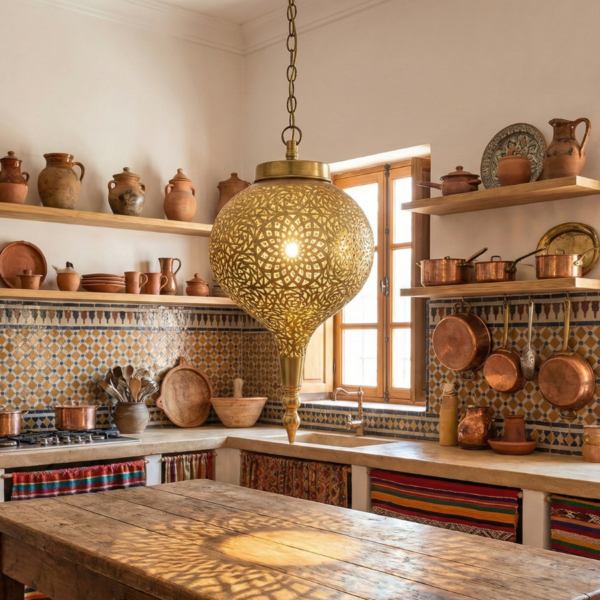
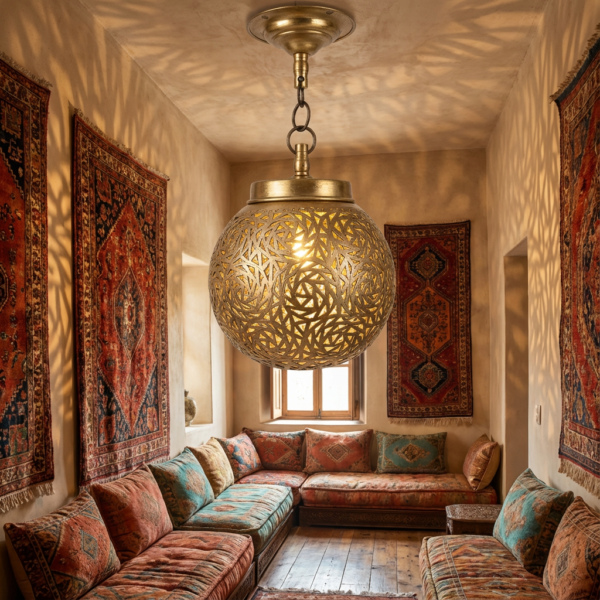
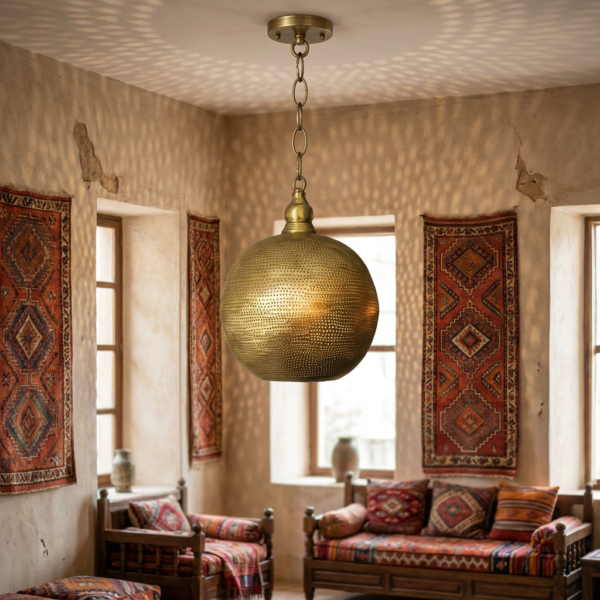
Moroccan lamps and lights for every room
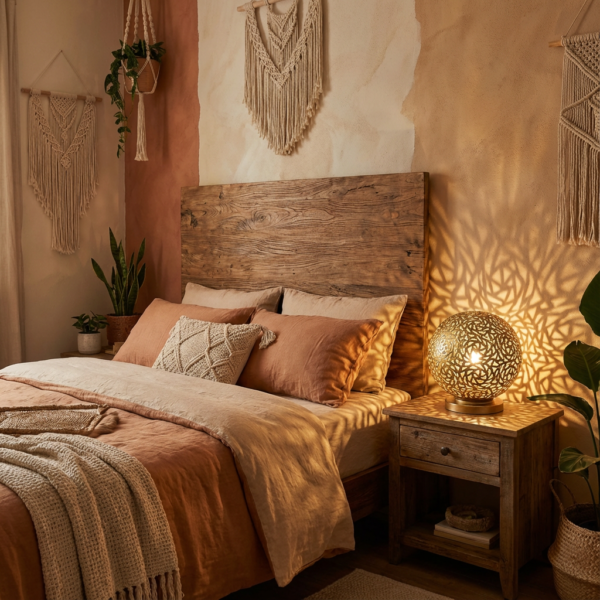
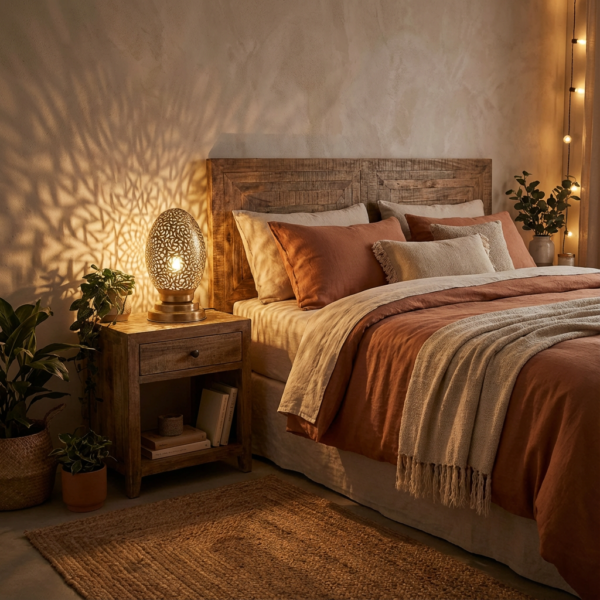
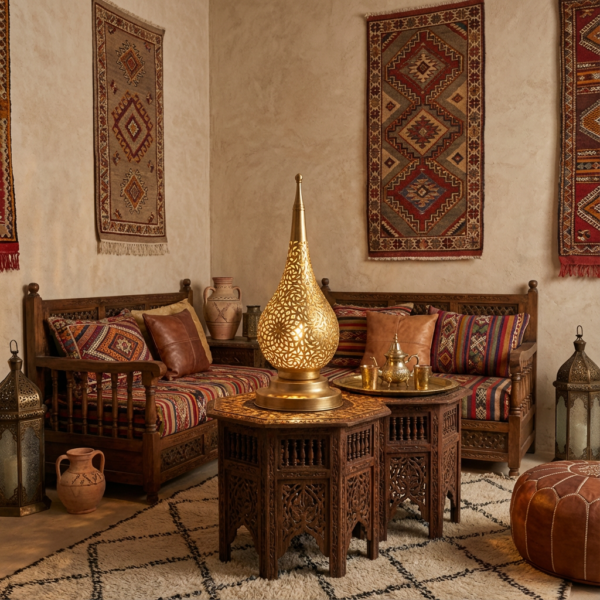
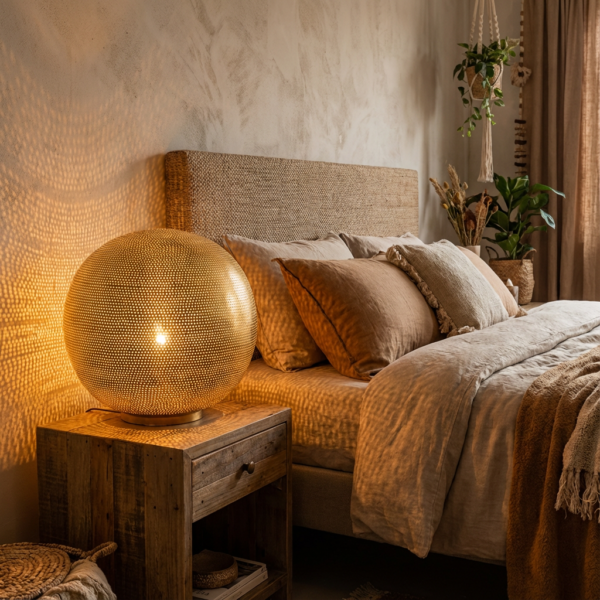
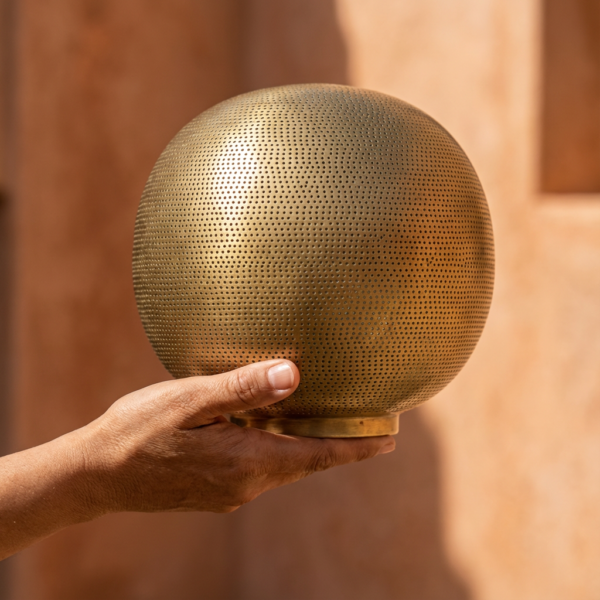
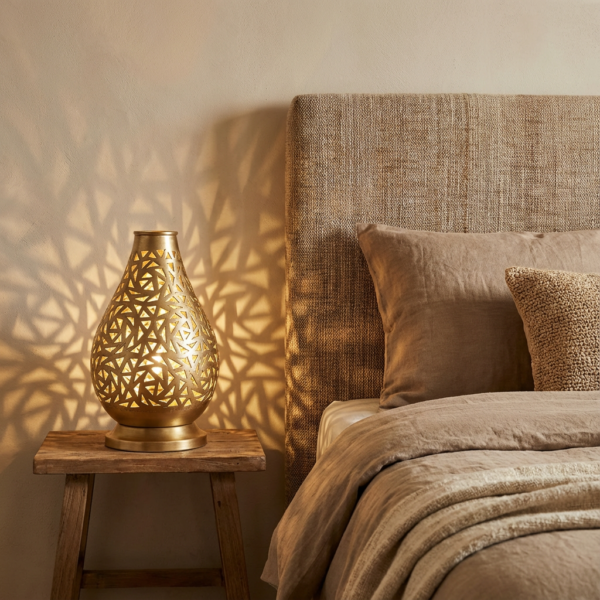
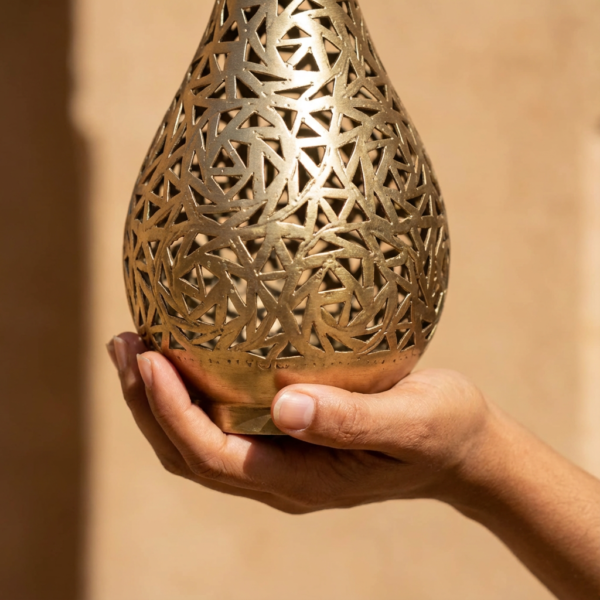
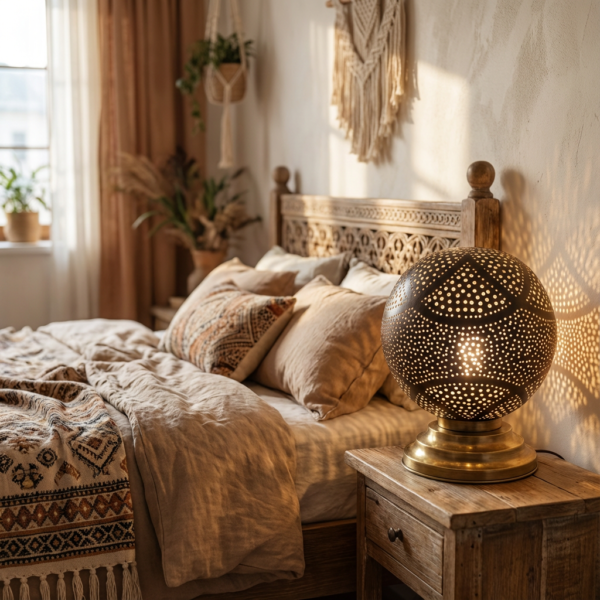
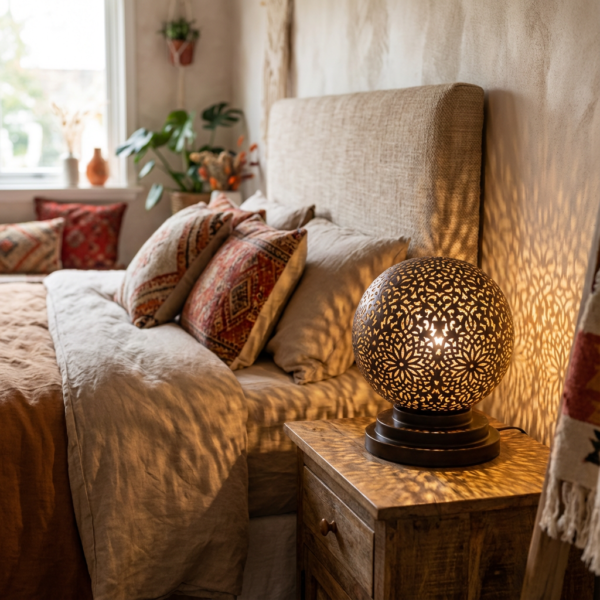
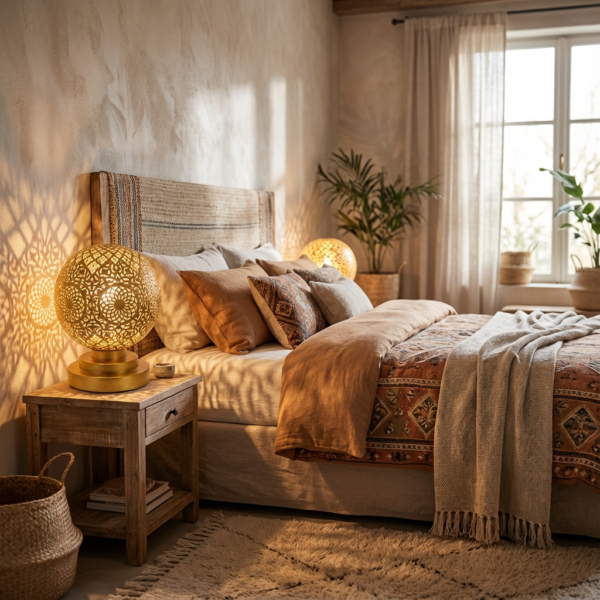
Moroccan lighting is made to be looked at as much as to see by. A single pierced-brass lamp turns plain light into patterns across the walls and ceiling, so one well-chosen piece can change the whole feel of a room.
- Living room — a large pendant lamp or chandelier as the centrepiece, with a table lamp or floor lamp for softer light in the evening.
- Dining room — one large pendant, or two or three smaller hanging lanterns in a row above the table.
- Bedroom — a pair of Moroccan table lamps on the bedside tables, or wall lamps where space is tight.
- Hallway and entryway — a hanging lantern or ceiling light to greet guests. In Morocco, a glowing lantern is a sign of welcome.
- Outdoors — only use pieces sold for outdoor use; the product page says if a lamp is suitable.
Types of Moroccan lighting
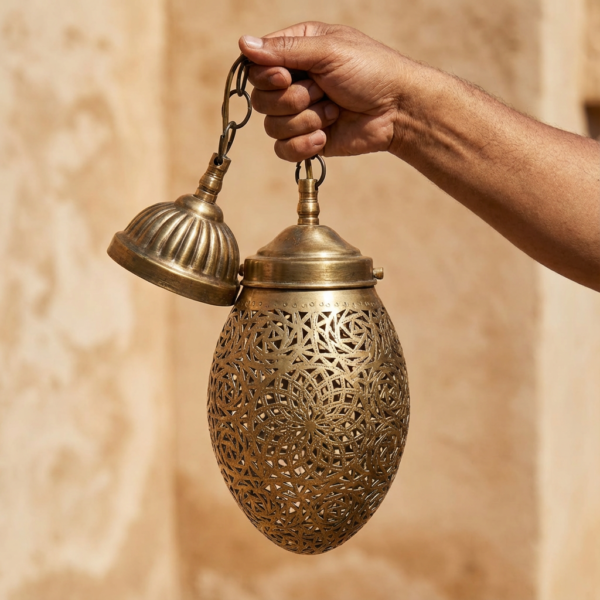
Moroccan pendant lamps and hanging lanterns hang from a chain or cord and are the classic choice over a dining table, in a stairwell or an entryway. Moroccan ceiling lights and chandeliers sit closer to the ceiling or carry several lights at once, which suits larger rooms and lower ceilings. Moroccan table lamps bring the same metalwork to a bedside table, console or side table with no installation at all, while floor lamps add a taller statement piece to an empty corner and wall lamps give soft accent light in hallways and beside a bed or mirror.
Moroccan lanterns are a family of their own: an enclosed metal frame with panels of coloured glass or pierced metal on every side. They can hang, stand on a table or sit on the floor, and most are wired for a bulb today. Read more in our Moroccan lighting guide.
Materials and craftsmanship
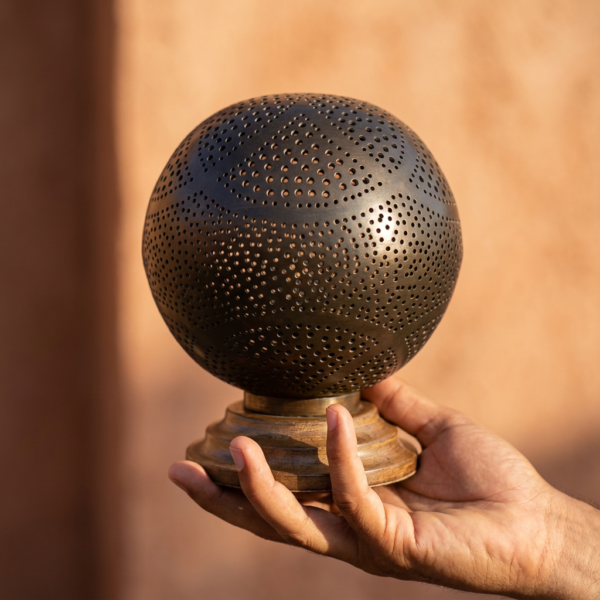
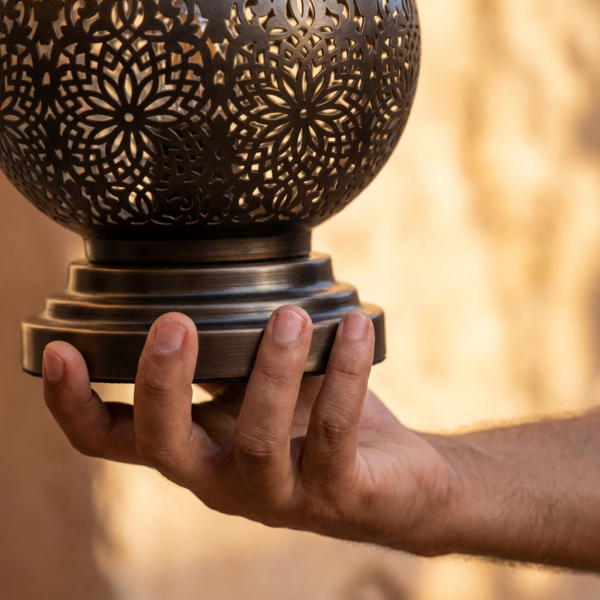
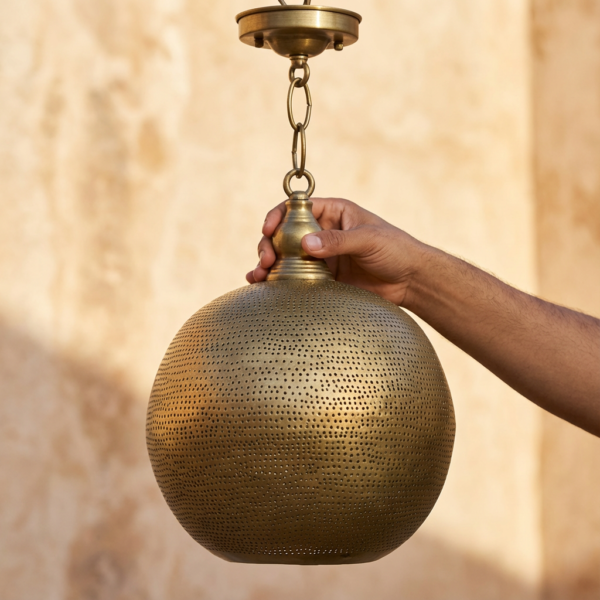
Most of our Moroccan lamps are made of brass, with its warm golden tone; others are copper, silver-coloured metal or metal set with coloured glass. The patterns are worked by hand by artisans in Morocco, punch by punch, so no two lamps are exactly alike — small variations in the pattern are part of the handmade character. The size, the material and the detail of the metalwork all shape the finished piece, and its price.
Choosing the right size
- Over a dining table, choose a pendant roughly half to two-thirds the width of the table, and hang the bottom of the lamp about 75–90 cm (30–36 in) above the tabletop.
- In the middle of a room, a simple rule of thumb: add the room’s length and width in feet — the result is a good lamp diameter in inches.
- Where people walk underneath, keep at least about 2.1 m (7 ft) of clear space below the lamp.
- For bigger shadows, pick a larger lamp with an open, pierced pattern; tighter patterns give a softer, more even glow.
Every product page lists the lamp’s dimensions, so you can measure your space before you order.
Bulbs and brightness
Moroccan lamps are mainly decorative, mood lighting. Warm white bulbs (around 2700K) bring out the gold of brass and copper; a clear bulb throws sharp, detailed shadows, while a frosted bulb gives a softer glow. LED bulbs stay cool and save energy. For reading or working, pair your Moroccan lamp with another light source. Check the product page for the bulb fitting and the maximum wattage.
Caring for brass and copper lamps
Switch off or unplug the lamp first, then dust it with a soft, dry cloth or a soft brush, and keep water away from the electrical parts. Brass and copper slowly darken over time — a natural patina that many people love. If you prefer a bright shine, use a gentle brass polish on the outside of the lamp and avoid abrasive pads, which scratch the metal.
Light and atmosphere
Moroccan lamps are known for their intricate metalwork and coloured glass, which create a warm, inviting light. Pair a lamp with a Moroccan leather pouf or a Moroccan rug to complete the room.
Frequently asked questions
What are your Moroccan lamps made of?
Most are brass, copper or metal, and some include colored glass. Each product page lists the materials and dimensions of that lamp.
Can you make a lamp in a different size or shape?
Many of our lamps can be made in a different size or shape at no extra cost. Contact us with what you need before ordering.
Will the lamp work with my country's plugs and bulbs?
Fittings vary from lamp to lamp. Check the product page, and contact us before ordering if you need a specific plug or bulb fitting.
How long does shipping take?
Shipping is free. Orders ship from Morocco by standard shipping and are processed in about 4 days on average; delivery takes 10–15 working days to most of the USA and Europe, and 12–21 days elsewhere. Import taxes or duties may apply in some countries. See our shipping policy.
Can I return a lamp?
Yes. Email us within 5 days of receiving your order, then return the item undamaged within 14 days for a full refund; return shipping is paid by the buyer. If anything arrives damaged, contact us within 14 days. See our return policy.